
RREDD SEMINAR
For leaders of Aboriginal corporations and PBCs, Aboriginal businesses
Reach an agreement your people stand behind, and see it delivered.
Most negotiations stall because someone at the table cannot sign. In one day you learn to map who holds the decision, so your time goes to people who can give you an answer, and you leave with a plan for your next negotiation.
One-day course
In person
Brisbane, February 2027
With Darryl Pearce and Craig Jones
Small group
Thursday, 18 February 2027
RESERVE YOUR PLACE
Negotiating on Country: Foundations
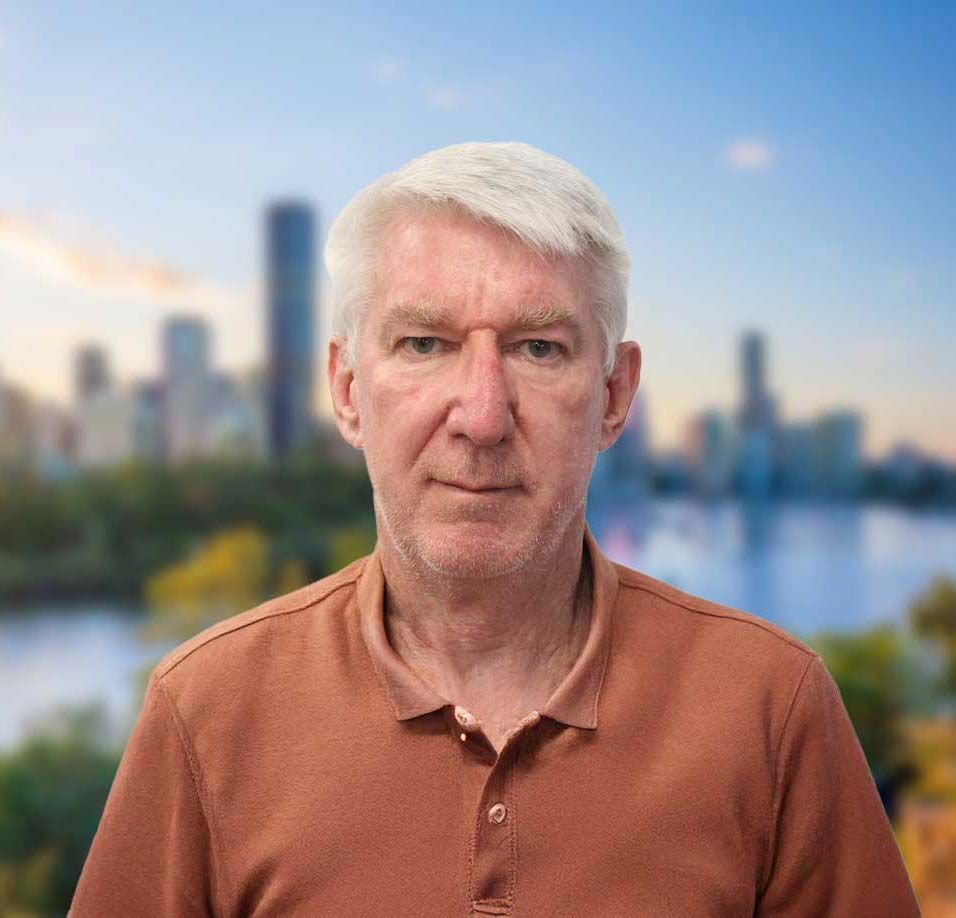
Craig Jones
Director
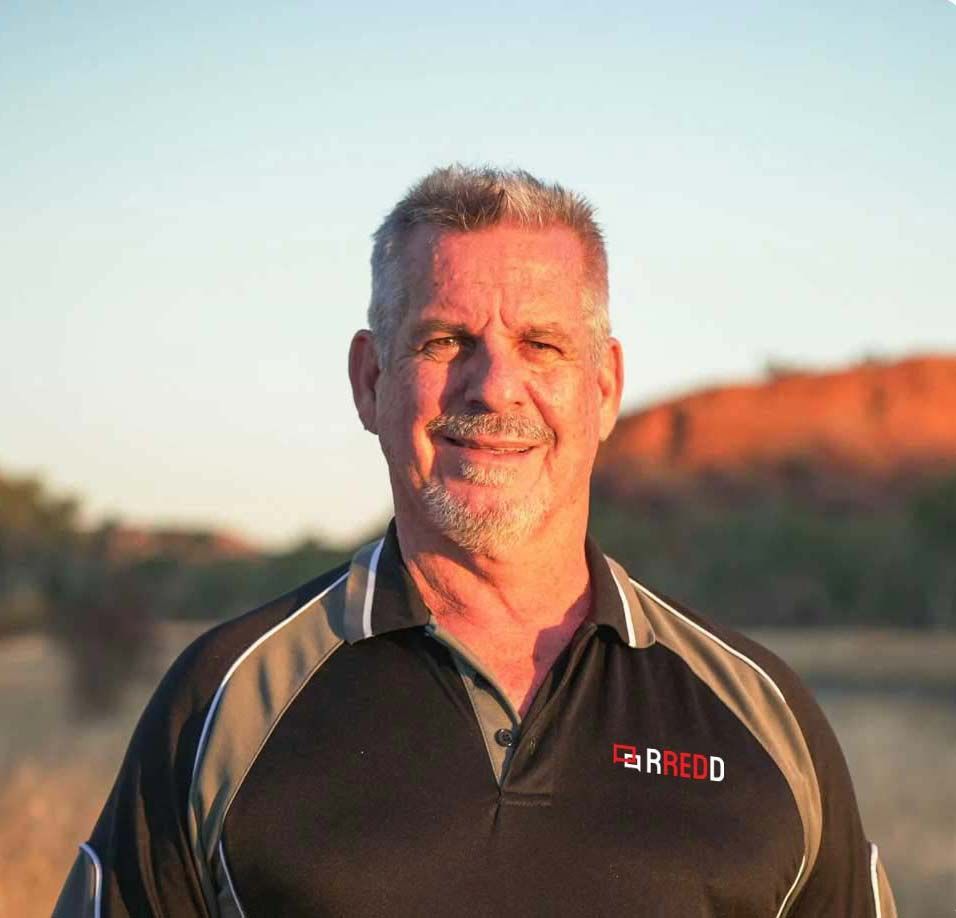
Darryl Pearce
Managing Director
Most agreements can fall apart quickly
Have you ever spent weeks negotiating, only to find out that the person across the table did not have the power to sign?
Or perhaps, you get a deal and take it back to your community or your board, and someone says it was never good enough. Now you're the one defending it, and the work starts again.
Sometimes you go into the room saying there'll be no mining on your country, but you find out that the Native Title Tribunal decides for you, and the project will go ahead anyway.
Instead, you can have a negotiation that actually holds
You can have a deal that looks after the main interests of all the parties.
The right people are at the table.
Everyone knows who can say yes, who holds cultural authority and what a board can and can't agree to, before anyone makes an offer.
There's trust.
You find out what each side really needs, not just what they say, so you aren't left defending a deal on your own.
Everyone's worry gets said out loud.
What people are worried about is on the table early, so it doesn't come back a year later when nothing has been done.
You reach an agreement your people stand behind, and you see it delivered.
This is what Darryl and Craig teach, and what you practise in the day.
You know who can say yes before you make an offer.
You work out who speaks and who decides, with an Elder or cultural adviser in the room.
In one day, you learn how to get there
You know who can say yes before you make an offer.
You work out who speaks and who decides, with an Elder or cultural adviser in the room.
You work out what each side really needs, not just what they say.
So the deal you take home is one your people can stand behind.
Your whole team prepares the same way.
You use the 5 Laws of RREDD: Recognise, Respond, Engage, Design and Deliver.
You face your real options if talks fail.
You practise in a paired role play before it counts.
You leave with a plan for the negotiation in front of you.
You build a one page plan and test it with a partner, and you keep it, along with a Certificate of Attendance.
Here's how the day runs
One full day, designed to get you ready for your next negotiation, so you reach an agreement your people stand behind and see it delivered.
Morning
- Why negotiations fail: we look at short cases and work out together what went wrong
- Positions, interests and who has the authority, with an Elder or cultural adviser, including what happens if there's no agreement
Afternoon
- The 5 Laws of RREDD, walked through one case from start to finish
- A paired role play and debrief
- Your own negotiation: build your one page plan and test it
Afternoon
- You've already run plenty of negotiations and want advanced practice, or you're ready to train as an accredited mediator. Are a native title holder or community leader speaking for your people
- Run an Aboriginal business and negotiate contracts and tenders
- Work for government or a company and negotiate with Aboriginal and Torres Strait Islander organisations
Is this the right course for you?
It's for you, if you:
- Sit on the board of an Aboriginal corporation, or run it or work in it, including PBCs and RNTBCs
- Are a native title holder or community leader speaking for your people
- Run an Aboriginal business and negotiate contracts and tenders
- Work for government or a company and negotiate with Aboriginal and Torres Strait Islander organisations
It is not for you if:
You've already run plenty of negotiations and want advanced practice, or you're ready to train as an accredited mediator.
Our longer courses and mediation training are built for that, and this day contributes towards it.
Learn it from people who have been in the room
Darryl Pearce
A Central Arrernte man from Alice Springs. He was a Director of the Northern Land Council and Chief Executive of the South West Aboriginal Land and Sea Council, and he was on the Aboriginal negotiating team in the 1993 talks with the Keating Government over the Native Title Act. He's facilitated more than 200 native title meetings and helped native title groups make more than 35 Indigenous Land Use Agreements, and every one was registered with the National Native Title Tribunal.
Craig Jones
An AMDRAS Leading Mediator who has negotiated more than 200 agreements with Aboriginal communities. On one gas project in Gladstone he negotiated 42 and built the system that governed how those negotiations ran. He knows both sides of the table, from the Central Land Council to Santos and Arrow Energy. Since 2010 he has been an Unrestricted Mediator of the National and Supreme Courts of Papua New Guinea.
They teach this together, and they don't always agree. You get both views, from both sides of the table. RREDD is a majority Aboriginal-owned business certified by Supply Nation, and its clients have included BHP, Shell and Woolworths.
Afternoon
[price]
including GST
StandarD Price
What it costs
StandarD Price
[price]
including GST
Early Bird
[price]
if you book by [date]
Groups of three or More
[price]
each
Included
[to be confirmed]
Afternoon
[price]
including GST
StandarD Price

Before you book
Does it count towards mediator accreditation?
Yes, it contributes towards the AMDRAS accredited mediator course, and you get a Certificate of Attendance. RREDD Academy is a Recognised Training Provider under AMDRAS. To become an accredited mediator you'd do our separate six day course.
Will an Elder or cultural adviser be in the room?
Yes. An Elder or cultural adviser joins the session on authority, and we pay them at a professional rate.
Can I bring a real negotiation I'm facing?
Yes. The last part of the day is built around your own negotiation. Everyone agrees to keep what's said in the room private, using Chatham House rules.
What if a role play hits too close to home?
You can step out of any role play that touches your own family, Country or organisation. Our case studies are made up or used with permission, and there's a named support person for anyone the material affects.
Can I bring colleagues?
Yes. There's a lower price for groups of three or more, and your whole team leaves preparing the same way.
What if I want to go further?
Foundations is the first of three courses. Negotiation Practice runs for three days and Master Negotiator for five, and both build on this one.
Afternoon
[price]
including GST
StandarD Price
Reach an agreement your people stand behind, and see it delivered.
Come and learn how with the people who have been in the room for thirty years.
Places are limited to 24.
RESERVE YOUR PLACE
Negotiating on Country: Foundations